
RECLAIM (WEEK 3)
DAY 17 MEDITATION
Micro Vacations (Practice Pausing)
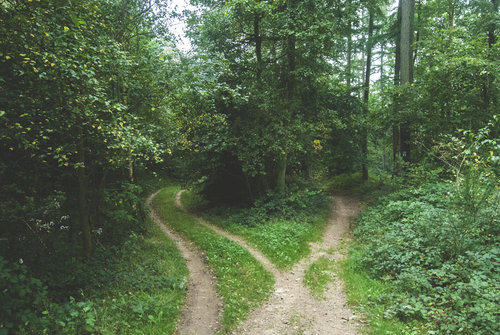
Our brains would love it if we gave over full control to our engrained habits and let autopilot run the show. Mainly because it would mean less work in an organ that wants to be as energy efficient as possible. However, living on zombie mode may be good for your brain but bad for your life. Therefore, from time to time throughout your day it’s good to remind your brain that your actually the one in charge not it. When you practice pausing throughout your day, you’re doing just that, giving your brain the message that you can control your actions and don’t always need it to take the wheel. If you practice this enough then maybe the next time you drive past a fast food restaurant, you can stay the course and head home instead of packing on the pounds.
- FACT: Synapses (connections) in the brain that fire together wire together. Meaning if certain cells are activated, such as your impulse control cells, that those cells will form hardened connections that will be easier to activate in the future.
- TAKEAWAY: This means that if you work on your impulse control in one area of your life it will help you have impulse control in another area of your life. For instance, if you struggle with eating high fat food, you could practice impulse control in other areas in your life and miraculously you would be better at avoiding high fat foods in the future.
DAY 17 MEDITATION
For today’s meditation the goal is to pick a time in your day when you want to practice pausing, any place that your sure you will pass today. For instance, if you pick “before I brush my teeth” or “when I’m about to open my car door” literally stop yourself and take a two second break before moving on. Pretty simply if you can remember to step out of automatic pilot. Do you think your up for the challenge?
DAY 17 MOVEMENT
Walk Slower Today

Mindfulness at its root is about slowing down and taking it all in, marveling at the ordinary. Slowing down the speed at which you do things is one of the best ways to do this. It also sends the delightful message to your brain that everything you do all day isn’t an emergency that needs to be done at breakneck speeds. Once you realize this, your grip on life might just seem to be a little bit looser.
- FACT: Science has shown that when you walk in nature your subgenual prefrontal cortex (rumination center) deactivates significantly, compared to when you walk in an urban setting.
- TAKEAWAY: Nature provides a “soft fascination” for people in it, not too stimulating not too boring. If you want to calm down your brain walking in nature is one of the fastest and cheapest ways to accomplish this.
DAY 17 MOVEMENT
Today’s task is pretty simple to do but hard to remember to do. Just walk slower today then you normally do. Take a moment to pick your head up and look around when moving from point A to point B. You might be surprised how much this tiny step of not being in a rush all the time can positively effect every aspect of your life.